
Here’s Why We’re Different
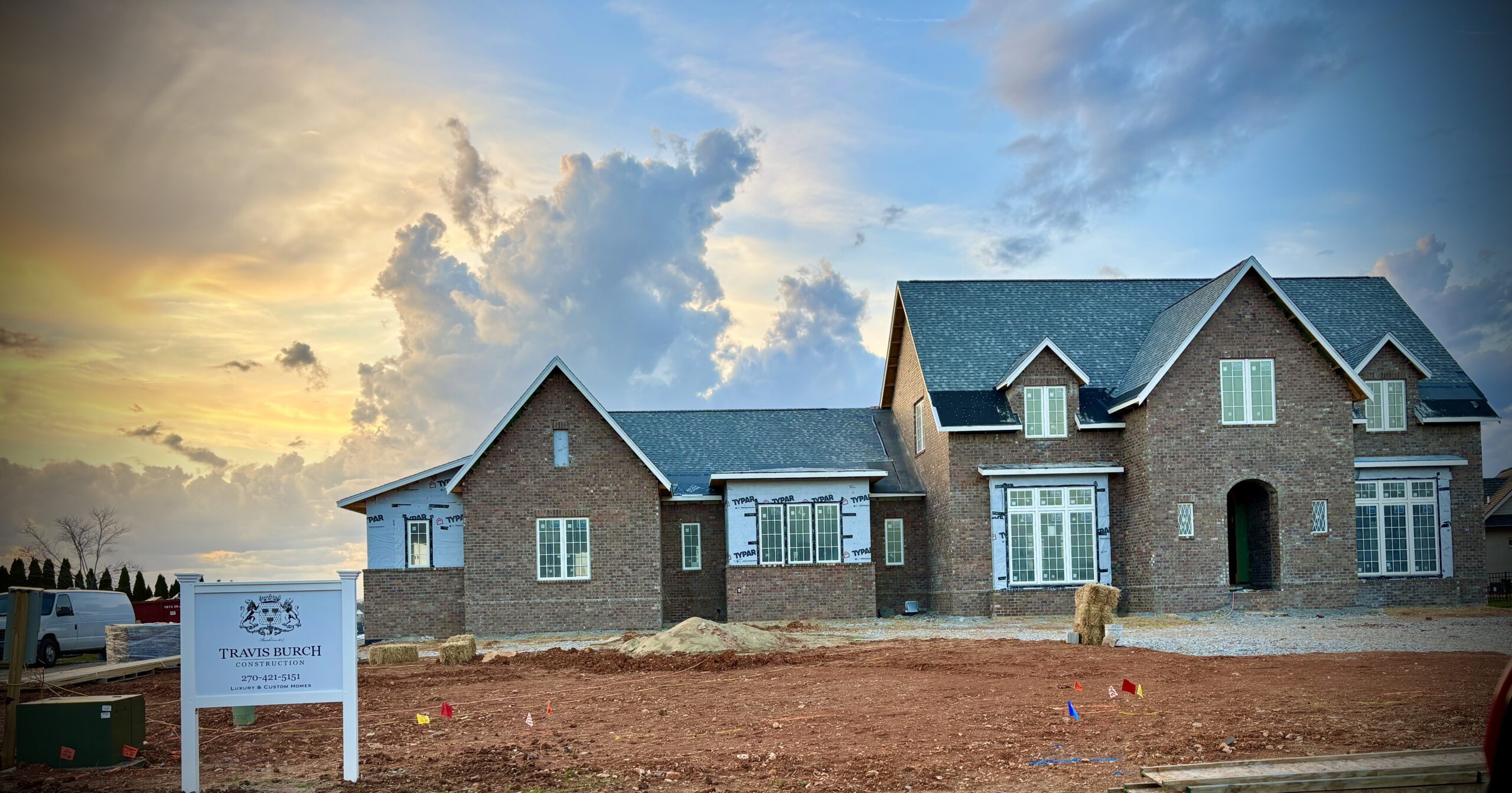
At Travis Burch Homes, we’ve been passionate for over a decade about the ins and outs of healthy, durable, and beautiful home construction.
Architecture, design, installation practices, the building science, what works in the field, what doesn’t — and how they all support each other (or, when they don’t).
We are committed to overcoming the challenges our climate presents — and successfully building durable, healthy homes in our climate.
What are some of these challenges?
- We get some of the heaviest rainfall in the entire country.
- Our humidity in summer is high.
- We typically build on crawl space foundations.
- We use a lot of brick facades.
- Our local architecture often features complicated roof lines and dormers.
All of these factors (and more) make typical homebuilding practices in our region insufficient — at least from a healthy home perspective, and even from a durability vantage point.
In fact, these challenges are the exact reason we got into homebuilding. We wanted homes for ourselves — for our family and extended family — that would be healthy upon completion. That would stand the test of time. That would support us rather than become a burden.
The crawl space is one major area we care about — on a nearly daily basis throughout your build. Why? Because in a typical build, it’s luck of the draw — roll of the dice — whether the crawl space will be damp, wet, & musty during construction. At Travis Burch Homes, we take extensive steps to keep your crawl space dry from Day 1. We don’t wait until the end to remediate, we mitigate from the start.
We don’t build homes too low to the ground or skimp on waterproofing. It costs more money, but adequate drainage away from the house is a non-negotiable.
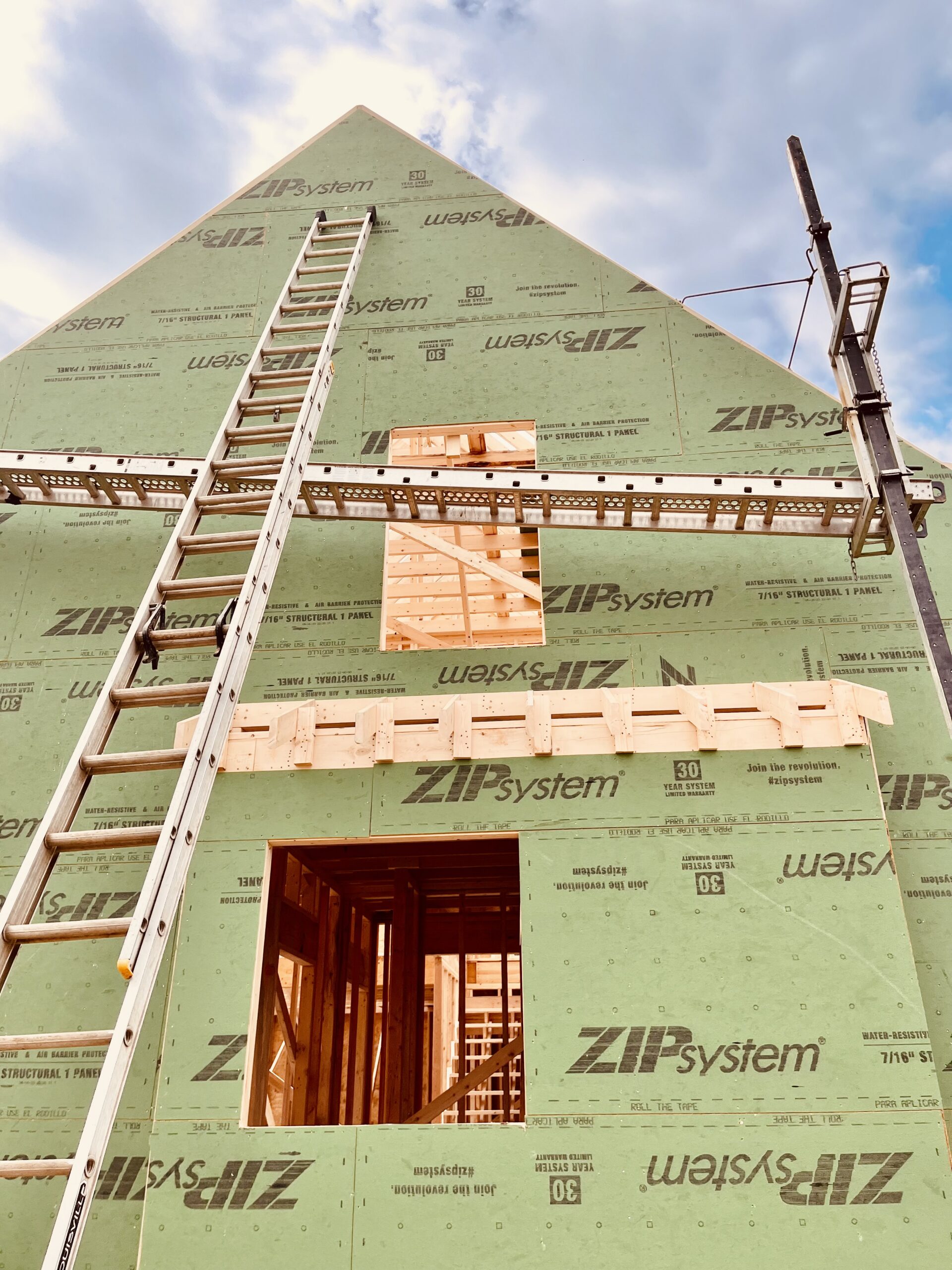
When it comes to weather barriers — like Zip, or Typar — we make sure it’s installed correctly. Mistakes are way too common with housewrap, and with Zip, the tape is rarely rolled — which voids the warranty and (quite literally) destroys performance down the line.
We avoid stick-on-stone in most applications. Stick-on-stone, like stucco, should never be applied over house wrap, unless it has a rain screen behind it.
Wall-over-roof flashing is a major leak point during construction, and sometimes after move-in. Getting these flashing details correct is one of the most important aspects of the job. Roof flashing must be inspected at each stage of install — that’s why we’ve invested in drone video certification so we can personally inspect roofs and make sure the flashing that will be behind the facade for decades is done correctly.
Spray foam is becoming increasingly popular, but causes more problems than it solves in most applications, in both walls and roofs. We’ll use it in some instances (possibly a crawl space), or if a homeowner requests, but we’re happy to explore how other options could be better for you long-term.
Yes, all of this requires an above-average education about the evolving product landscape in today’s market — as well as the desire and determination to be on site and inspect during each stage of installation. Every house, every time — no exceptions. You and your family are worth it, and your home is worth it.
Summary: We Build Better
Building Science is entering maturity — but standard practices have not caught up yet.
- Keep your crawl space dry during the weeks or months of framing.
- Ensure proper installation of high-performance weather barriers, like ZIP System.
- Avoiding the huge mistakes that are typically dismissed as “that’s normal” — or, “that will dry out once siding goes on.”